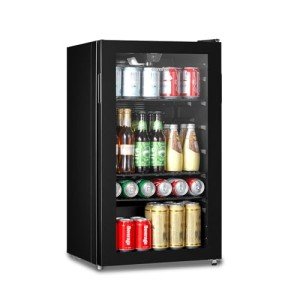
The Ultimate Guide to Dual Zone Fridges: All You Need to Know
When it pertains to cooking area home appliances, a fridge is among the most vital products you require to have. With Outdoor Drinks Fridges of innovation, refrigerators have actually become more sophisticated, and among the current developments in this field is the dual zone fridge. In this post, we will explore what dual zone fridges are, their benefits, and what to consider when purchasing one.
What is a Dual Zone Fridge?
A dual zone refrigerator is a kind of fridge that enables you to manage the temperature level of two different compartments separately. This implies you can set a various temperature level for the freezer and the refrigerator, or even have 2 different refrigerator compartments with different temperature levels. This function works for storing food items that need various temperatures, such as meat, dairy, and fruits.
Advantages of Dual Zone Fridges
Dual zone fridges offer several benefits, consisting of:
- Improved Food Storage: With 2 different compartments, you can save food products at their optimum temperatures, which helps to maintain their freshness and quality.
- Increased Flexibility: Dual zone fridges provide you the versatility to save various types of food products, such as meat, dairy, and fruits, at their required temperature levels.
- Lowered Energy Consumption: Dual zone fridges can help in reducing energy consumption by permitting you to set the temperature of each compartment individually, which implies you can switch off one compartment when not in use.
- Longer Shelf Life: By keeping food items at their optimum temperatures, dual zone fridges can help extend the service life of your food.
Types of Dual Zone Fridges
There are several types of dual zone fridges available in the market, including:
- Top-Freezer Dual Zone Fridge: This kind of fridge has a different freezer compartment on the top and a fridge compartment at the bottom.
- Bottom-Freezer Dual Zone Fridge: This kind of refrigerator has a separate freezer compartment at the bottom and a refrigerator compartment on top.
- Side-by-Side Dual Zone Fridge: This kind of fridge has 2 separate compartments, one for the fridge and one for the freezer, which are put side by side.
- French Door Dual Zone Fridge: This kind of fridge has a separate freezer compartment at the bottom and a refrigerator compartment on top, with French doors that open outwards.
What to Consider When Buying a Dual Zone Fridge
When purchasing a dual zone fridge, there are numerous elements to consider, including:
- Size: Consider the size of your cooking area and the quantity of area you have readily available for the refrigerator.
- Energy Efficiency: Look for a fridge with a high energy effectiveness ranking, which can help minimize your energy expenses.
- Temperature Control: Ensure that the refrigerator has exact temperature control, which permits you to set the temperature of each compartment separately.
- Storage Capacity: Consider the storage capacity of the fridge, consisting of the variety of shelves, drawers, and compartments.
- Sound Level: Some dual zone fridges can be loud, so consider the noise level of the refrigerator before making a purchase.
Regularly Asked Questions (FAQs)
Q: What is the difference between a dual zone refrigerator and a single zone refrigerator?A: A dual zone refrigerator has 2 different compartments with various temperature levels, while a single zone refrigerator has just one compartment with a fixed temperature.
Q: Can I save meat and dairy products in the very same compartment?A: No, it's advised to keep meat and dairy products in separate compartments with different temperature levels to guarantee food safety.
Q: Can I turn off one compartment when not in usage?A: Yes, many dual zone fridges permit you to turn off one compartment when not in usage, which can help in reducing energy consumption.
Q: How do I maintain my dual zone fridge?A: Regular cleansing, examining the door seals, and making sure correct ventilation are essential for keeping your dual zone fridge.
Conclusion
Dual zone fridges are an excellent alternative for those who desire to keep various types of food items at their optimal temperature levels. With their improved food storage, increased versatility, and minimized energy intake, dual zone fridges are a great addition to any kitchen area. When purchasing a dual zone fridge, think about the size, energy effectiveness, temperature level control, storage capacity, and noise level. With appropriate maintenance and care, your dual zone refrigerator can last for several years and provide you with fresh and healthy food.
Comparison of Dual Zone Fridge Models
Here's a comparison of some popular dual zone refrigerator designs:
| Model | Size | Energy Efficiency | Temperature level Control | Storage Capacity | Noise Level |
|---|---|---|---|---|---|
| Samsung RF28HMEDBSR | 36 inches | Energy Star certified | Accurate temperature level control | 28 cu. ft. | 42 dB |
| LG LFX28968S | 36 inches | Energy Star accredited | Precise temperature level control | 28 cu. ft. | 40 dB |
| Whirlpool WRF989SDHZ | 36 inches | Energy Star accredited | Accurate temperature level control | 28 cu. ft. | 45 dB |
| Bosch B36CD80SNS | 36 inches | Energy Star accredited | Accurate temperature level control | 28 cu. ft. | 38 dB |
Please note that the contrast is based upon the specifications of the models and may not show the actual efficiency of the fridges.
Glossary of Terms
- Dual zone: A feature that permits you to control the temperature level of two different compartments individually.
- Energy Star licensed: A rating that indicates the home appliance meets energy performance standards set by the U.S. Environmental Protection Agency.
- Precise temperature level control: A function that allows you to set the temperature of each compartment independently and accurately.
- Storage capacity: The amount of area offered for keeping food items, determined in cubic feet.
- Noise level: The level of sound produced by the refrigerator, measured in decibels (dB).